Bodily Fluid Cleanup
Bodily fluid cleanup removes fluids and disinfects affected areas in businesses, homes and care settings.
See bodily fluid cleanupGet blood and bodily fluids removed from carpet, hard floors, walls, furniture or vehicles in Oak Park. The affected area is contained, cleaned and disinfected, with unsafe porous materials packaged for disposal.
Blood cleanup is a controlled service for taking away blood, bodily fluids and materials that cannot safely remain. Cleaning and disinfection follow the removal work.
Liquid from a blood spill can move beyond the mark you see. It may enter grout, carpet, furniture, seams or narrow spaces along a wall. The first part of professional cleaning is identifying every affected place and shielding nearby areas. Trained technicians assess the materials, removing porous items when needed and disinfecting hard surfaces that can stay.
An injury, workplace accident, medical event or another traumatic incident can create a need for biohazard remediation. Because blood may contain bloodborne pathogens, this work is not the same as routine home cleaning. The complete process includes protective equipment, controlled procedures and cautious disposal of waste.
The company should explain which materials can stay, which might be removed and the reason for each decision. You should understand how the cleanup team identified the full affected area before giving approval.
The crew should consult you about practical possessions and valued keepsakes. Materials that can be isolated without risk should not be discarded as regular debris until you have been consulted.
A completed work record, affected-property list and images can help you move forward with repairs after explaining the loss to insurance companies.
Calls are answered during the day and overnight, with crews using unmarked vehicles for privacy. You can request details about keeping neighbors, renters or patrons away from the work zone.
A household cleaning approach is not safe when blood has spread widely, soaked deeply or formed a large spill. Situations that can call for blood cleanup services include:
Blood can pass through seat fabric into foam, reach carpet padding or collect in narrow trim gaps. Those layers require careful inspection and treatment.
Blood from a cut, fall or another injury may reach flooring, walls, furnishings and nearby possessions. Cleanup technicians look past the visible mark for tracked blood and splatter.
For property owners and managers, cleanup may need to stay private and include photos plus records identifying treated and removed materials.
Contamination from a severe event can extend over multiple types of surfaces. Professional cleanup can shield loved ones from the burden and potential danger of doing the work themselves.
Your immediate priority is preventing contact with the blood and limiting its spread. Follow these actions while you set up a cleanup service:
Call (888) 440-9227Industry cost guides publish wide ranges because treating a spot on the surface is very different from cleaning a deeply absorbed spill. One source lists $300 to $4,000; another gives $500 to $5,000; a separate listing places small blood cleanup at $1,500 to $3,000. The final amount reflects the scope found on site, affected materials and resulting waste.
The figures shown are national ranges from published cost guides and are not based on an on-site visit. An on-site assessment determines your property's price, which is explained to you before the cleanup starts.
Ask about cost: (888) 440-9227Insurance for a home, rental, business or vehicle may cover blood cleanup after a covered event. Your policy terms and deductible apply, and the circumstances of the event affect the claim decision.
Victims of violent crime can ask the Louisiana Crime Victims Reparations Board, supported by the Louisiana Commission on Law Enforcement, about crime scene cleanup. The program lists it among eligible expenses. Insurance is usually checked first.
Tell the insurance company what happened and ask if coverage applies to contaminated building material removal as well as biohazard cleanup. Save your claim reference and the adjuster's contact information.
If an incident occurs at work or in a rental, cleanup may be arranged by the business owner, landlord or property manager. The circumstances, insurance terms and lease determine who is responsible.
Find out which images, lists of affected belongings and cleaning records your insurance company requires. Save every receipt and wait for guidance from the adjuster before throwing away damaged items, except where keeping them poses an urgent safety risk.
Professional blood cleanup follows a controlled order so clean rooms are protected while the affected area is treated. Every step depends on the amount of blood and the materials it reached.
Cleanup technicians inspect visible blood, adjacent surfaces and any likely path of spread. Prior to cleaning, the remediation process defines the work area through photographs and notes.
The contaminated section is isolated from areas that remain clean. Technicians put on suitable protective gear and plan a clean route for tools and sealed waste.
Deeply absorbed blood may require removal of porous materials such as carpet underlay, upholstery cushioning, raw timber or drywall.
The surface is cleaned of obvious soil prior to disinfectant treatment. Technicians treat adjacent contact points, seams, outer edges and fasteners along with the main stained area.
Surfaces that can remain receive treatment using an EPA-registered disinfectant. Technicians keep the disinfected area wet as long as the product directions require.
Applicable waste rules for the location and project determine how taken-out materials are sealed, identified and carried away for disposal.
The source of any odor is checked before air treatment. HEPA filtration may be used to control particles while affected materials are removed.
After an inspection of the cleaned area, equipment and barriers are taken down safely, and you get scope documentation for your records or claim.

Call at any time. Your blood cleanup specialist answers the phone, describes what happens next and works with you on a start time.
Blood can carry pathogens, and a visible stain does not show how far liquid has traveled inside porous or layered materials.
Cleaning after a serious injury or traumatic event can be distressing. Having cleanup crews complete the task can limit health risks and lessen the burden on you.
Professional cleanup accounts for bloodborne pathogens that include HIV, hepatitis C and hepatitis B. Dried blood still needs caution because the CDC states that hepatitis B may live on surfaces for at least seven days.
Blood can wick into carpet padding, unfinished wood, grout and upholstery foam. Cleaning only the top surface may leave contaminated materials and odor underneath.
Can you clean it yourself? A few drops on an intact, non-porous surface may be manageable with disposable gloves and an EPA-registered disinfectant used for its full label contact time. Seek professional cleanup when you cannot tell how far blood spread, when sharp objects are nearby, or when it reached carpet, upholstery, unsealed wood or a wall cavity.
Blood that penetrates a porous material beyond complete treatment makes removal necessary. A hard surface with an intact seal can often remain after it has been cleaned and disinfected.
Requirements in 29 CFR 1910.1030, the OSHA Bloodborne Pathogens Standard, cover employee exposure safeguards, instruction, protective equipment and related practices.
For blood cleanup, choose an EPA-registered disinfectant labeled for the specific purpose. Follow all product label instructions, including the entire required contact period.
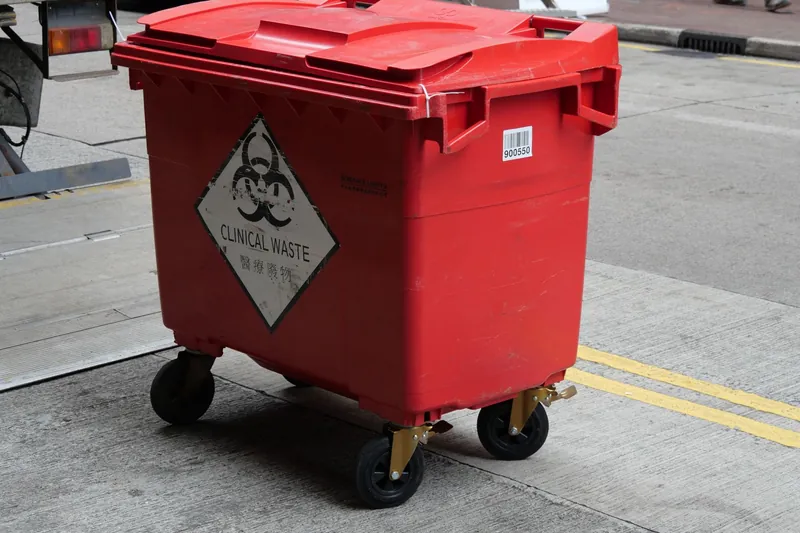
Louisiana treats soaked materials from a biohazard scene as potentially infectious biomedical waste. Louisiana Department of Health sanitary code rules control how it is packaged, stored and transported, so it cannot go in household trash.
Louisiana has no statewide medical examiner. Each parish has an elected coroner who investigates deaths involving violence, accidents or suspicious circumstances. Cleanup starts after police or the coroner release the scene.
A contained surface spill may take several hours, while blood that reached carpet padding, furniture, walls or several rooms can take one or more days. Inspection is needed before a reliable schedule can be set.
The full blood cleanup guide covers what is cleaned or removed, odor and air quality work, and the rules that apply in Louisiana and East Baton Rouge Parish.
Read the full blood cleanup guideLocal population patterns, housing and site access may affect how containment and cleanup are planned.
The approximately 3.0 mile trip to Ochsner Medical Center, Baton Rouge matters when an injury must be assessed before anyone returns to the affected space.
The location sits near Villa Del Rey Park, McGehee Place, and Red Oak, making local landmarks helpful when a property entrance is hard to find.
Neighborhood level directions help narrow the location, but crews still need entrance details before bringing containment and cleaning equipment inside.
Your phone conversation can include questions about service in nearby ZIP codes and communities.
Bodily fluid cleanup removes fluids and disinfects affected areas in businesses, homes and care settings.
See bodily fluid cleanup
Removal and disinfection of blood, body fluids and other infectious material from any property.
See biohazard cleanup
Crime scene cleaning begins after police release and covers blood, odor and the affected property.
See crime scene cleanup
Trauma scene cleanup is needed after violent events, accidents and injuries.
See trauma scene cleanup
Suicide cleanup is completed privately and with care, protecting families from seeing the scene.
See suicide cleanup
Once the investigation ends, contaminated materials, blood and tissue are cleared during homicide cleanup.
See homicide cleanup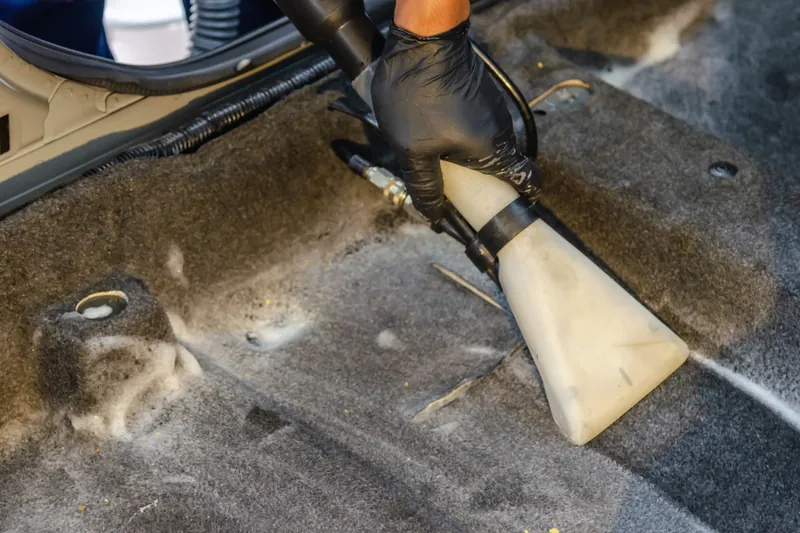
Cleanup treats biohazards on upholstery and carpeting, or removes affected materials safely when needed.
See biohazard carpet and upholstery cleaning
Medical waste removal and disposal through approved treatment facilities.
See medical waste removalBlood cleanup may be included under your home or renters insurance when the underlying event is a covered loss. You still need to meet policy documentation rules, exclusions and the deductible. Contact the insurance company, ask specifically about biohazard remediation and keep the claim number, photos, affected-item list and cleanup records.
The amount of contamination and its location determine if remaining is practical. If containment is workable, staying elsewhere inside the property may be possible as long as that section is unaffected. The crew might recommend staying elsewhere until cleanup is complete when blood has spread across common paths, entered multiple rooms or affected the ventilation system.
The potential presence of bloodborne pathogens means blood requires infectious-material precautions. You cannot tell whether blood contains a pathogen by looking at it. That is why protective equipment, cleaning before disinfection, careful packaging and proper waste disposal matter, even when the blood has dried.
Survival time varies according to the organism and environmental conditions. The CDC reports surface survival of at least seven days for hepatitis B. Do not assume a dry stain is safe. Avoid touching it, keep others away and use the same careful cleanup approach used for fresh blood.
Request details on how the crew maps the affected area, evaluates materials for disposal, chooses its disinfecting product and keeps surfaces wet as directed. Learn how waste will be contained, which documents are included, if odors require treatment and what repair tasks you must arrange afterward.
Do not place loose, dripping or sharp contaminated items in ordinary household trash. You should keep others out and allow cleanup technicians to package the material according to disposal rules in your state and community. Rules can change based on the volume involved, the kind of item, the property setting and the source of the waste.
Discreet, respectful blood cleanup, 24 hours a day, with crews in unmarked vehicles.